Roofing · Craryville, NY
Attention is given to matching existing materials and to documenting findings so homeowners have clear information for any insurance discussions. The sequence of steps is explained before work begins.
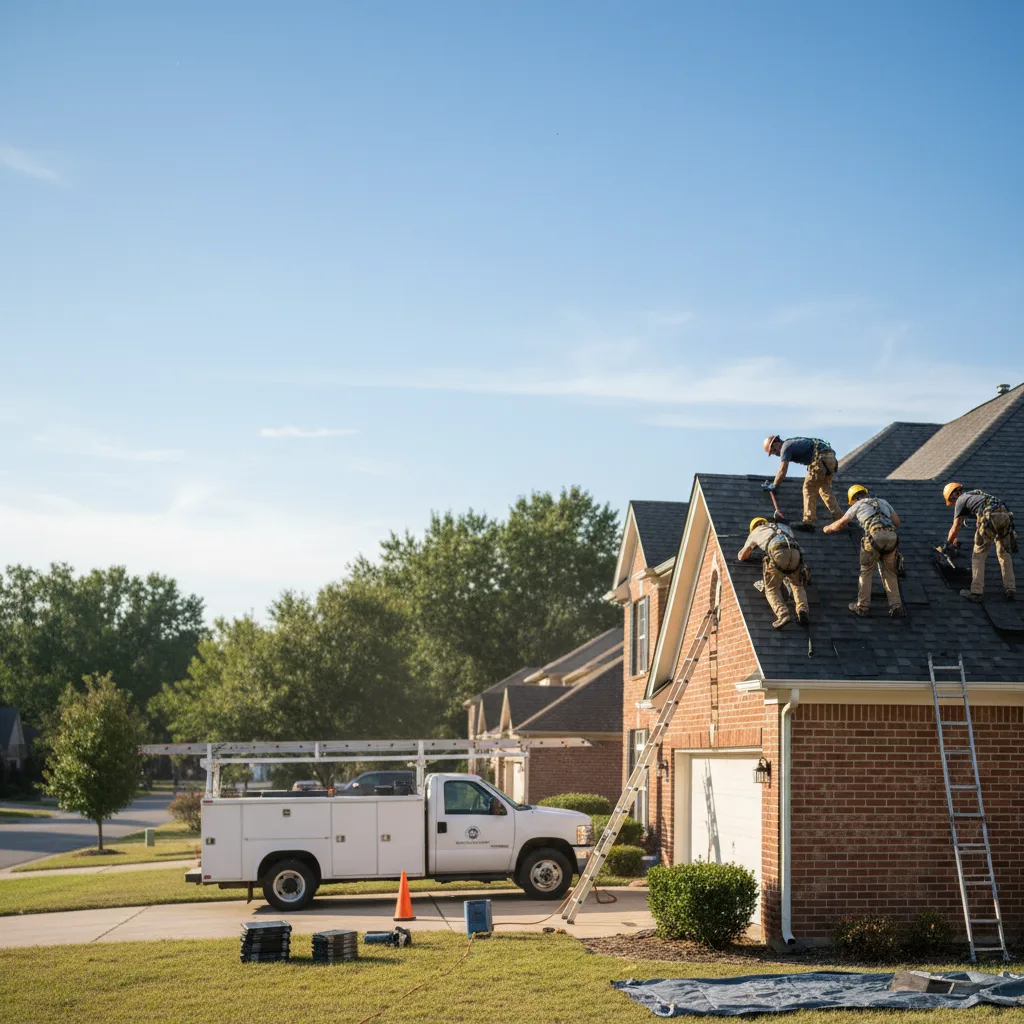
After strong winds or heavy rain pass through Craryville, NY, many homeowners notice changes that were not there before. Shingles may appear lifted at the corners or missing entirely along the ridge. Granules can collect in gutters or downspouts, leaving bare spots that allow water to reach the underlayment. Small punctures from flying debris sometimes show up only after a careful walk around the perimeter. Inside the home, new water stains on ceilings or walls often point to a breach higher up. Checking the attic for daylight coming through the decking or for damp insulation gives another clear indicator. These observations help determine whether the roof needs targeted fixes or a larger section of roof repair. A steady review of flashing around chimneys, vents, and skylights is also useful, since these areas tend to loosen first when gusts pull at the edges. Keeping an eye on how the roof meets exterior walls can reveal lifted drip edges or displaced step flashing that would otherwise go unnoticed until the next rain.
The roof inspection process starts with an exterior walk that looks at every plane rather than only the most visible side. Attention moves to the condition of ridge vents and any turbine-style vents that may have been bent or loosened. Valleys receive extra time because debris tends to collect there and hold moisture against the shingles. Once the outside review is complete, the interior check follows, focusing on sheathing condition and any signs of previous patches that may now be failing. Homeowners are encouraged to note any rooms where the ceiling texture looks different or where paint has begun to bubble. This combination of outside and inside information helps form a complete picture before any work plan is discussed.
Roofing professionals review site conditions carefully when addressing storm damage. This helps match repairs to the pressures each location experiences over the years. General evaluations consider how foundations interact with surrounding ground and how materials respond to repeated weather exposure.
Homes rest on loam. Weather patterns also influence material choices during restoration.
The local pattern is warm summers and hard winters, around 47 inches of snow a year, and 154 nights below freezing. Repairs must handle hard water and a long freeze season. Access via major roads and water quality further inform the methods used on site.
FAQ

Sealant can mask the entry point for a short time but does not correct the reason water found its way in. Temperature swings and wind eventually reopen the path. A proper repair removes the damaged material and restores the layers so the roof sheds water as originally intended.
A water mark can appear days or weeks after the actual entry point because moisture travels along rafters or under the decking. The visible spot may be far from the leak origin. An inspection that includes the attic space shows whether active moisture is still present and whether insulation or wood has already been affected.
The price changes with the number of layers that must be removed, whether decking needs replacement, and how many flashings or penetrations are involved. Access to the work area and the type of material required to match the existing roof also affect the total. A single visible defect can turn into a larger scope once the layers are lifted.
Roof Repair across Craryville, NY. Call (833) 602-5422.
Call (833) 602-5422